The Atlantic hurricane season runs June through November, and by the time we reach the busy middle stretch, most South Florida homeowners are thinking about shutters, sandbags, and generators. Ductwork rarely makes the list. It should. A storm does not have to flood your living room to leave your air handler and duct runs dirtier, damper, and more likely to grow mold than they were the week before. Understanding why storms foul ducts — and acting at the right moment — is one of the cheaper, easier things you can do to protect your indoor air after a rough season.
Why storms specifically foul your ductwork
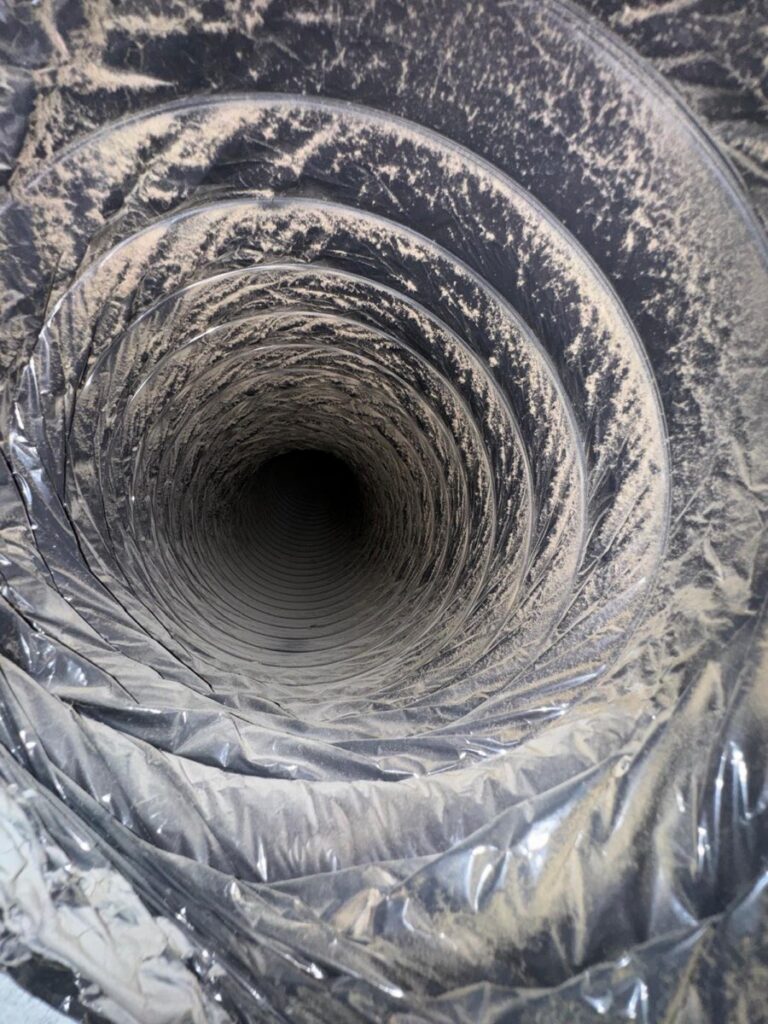
Your duct system is designed to move conditioned indoor air in a mostly closed loop. A hurricane breaks that assumption in two ways. First, the pressure differentials that come with a passing storm — sharp swings between the low pressure of the system and the higher pressure outside — push air through every small gap in your building envelope. Wind-driven rain and the humid, debris-laden outdoor air that rides with it get forced into wall cavities, attic spaces, and the ducts that run through them. Second, storms create fresh openings. A lifted shingle, a cracked soffit, a window seal that let go, or a roof breach lets outside air and moisture travel straight into places your ductwork lives. What settles inside is not just dust — it is pollen, soil, insulation fibers, and organic debris, all of it damp.
The result is a duct system carrying more particulate than usual and, worse, carrying moisture into materials that are supposed to stay dry. In our climate the humidity alone is a problem; a storm concentrates it.
The post-flood mold clock
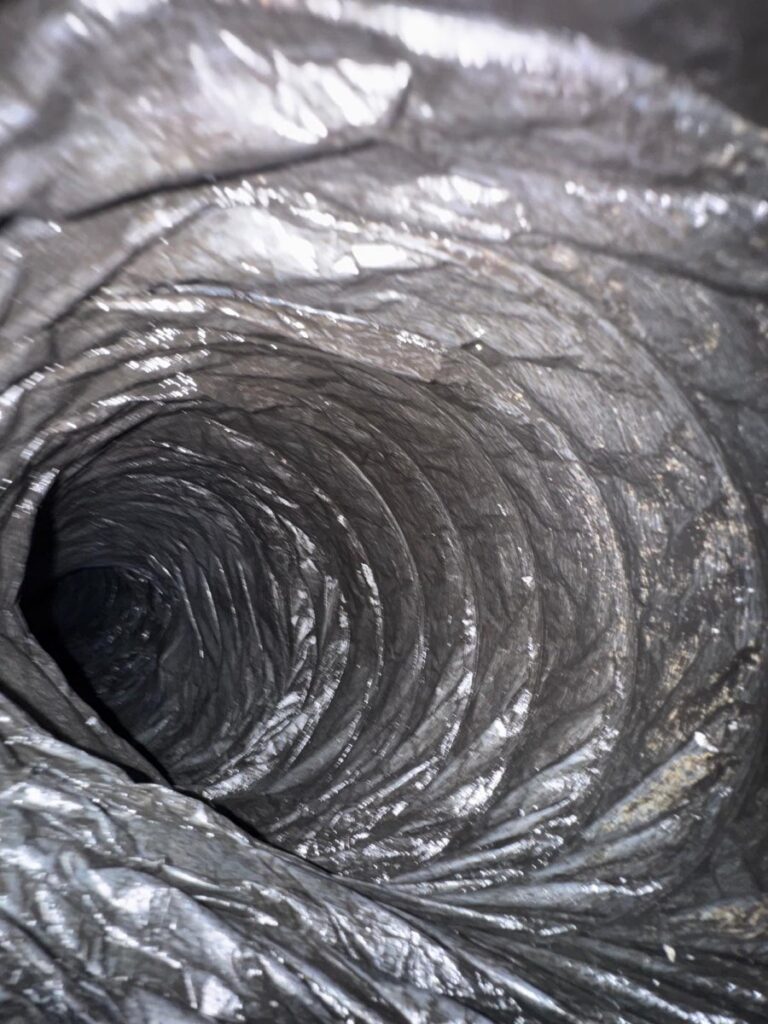
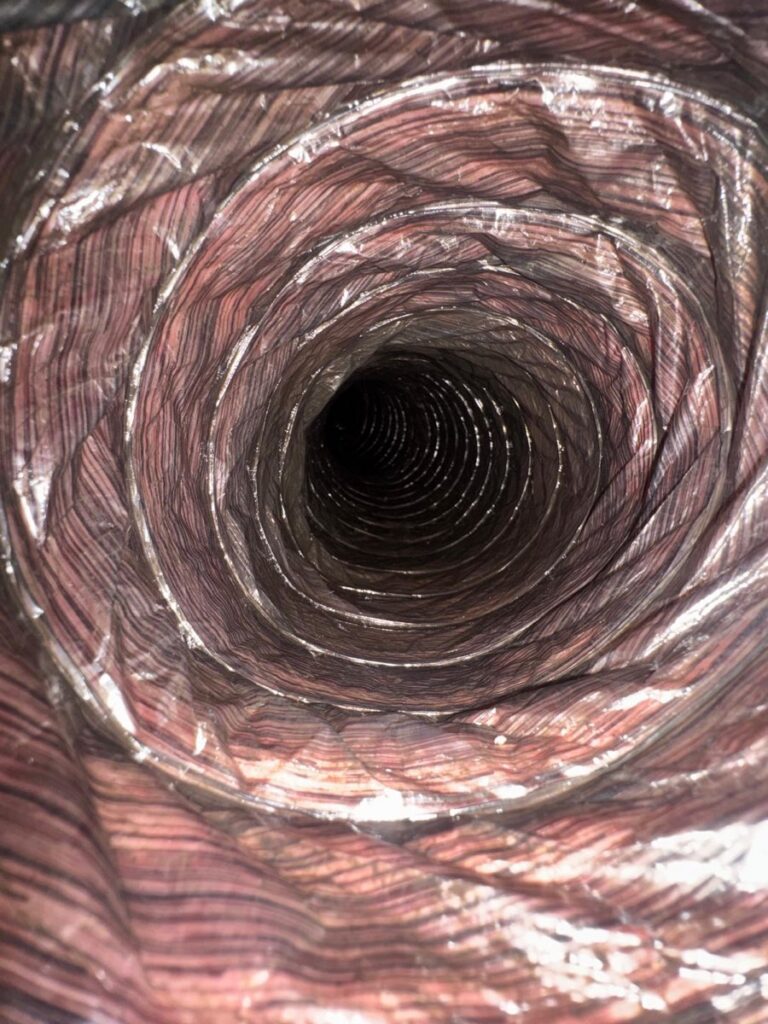
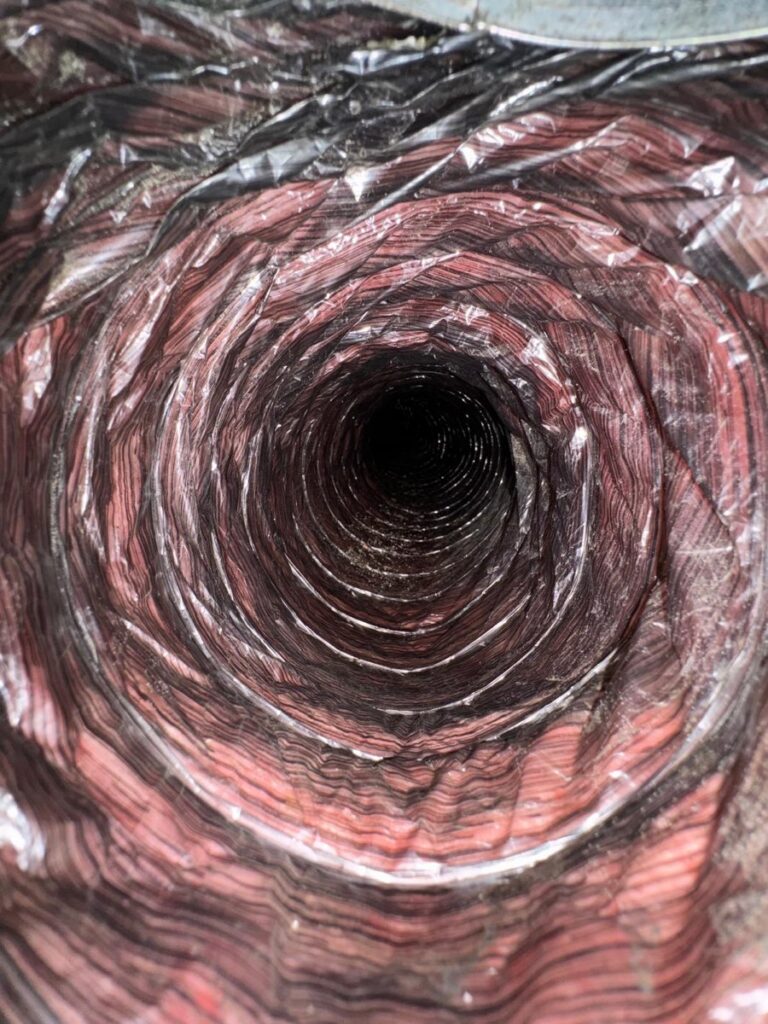
If any part of your home takes on water — even a few inches in a garage where the air handler sits, or a saturated attic — the clock starts. The EPA notes that mold can begin to grow on damp surfaces within 24 to 48 hours. Duct interiors, the insulation around them, and the coil area are exactly the kind of dark, still, now-humid spaces mold favors. Once it establishes inside the system, every cycle of the air conditioner can carry spores and that unmistakable musty smell into every room. That is why post-storm duct and air quality issues are urgent rather than something to schedule “eventually.” If you suspect moisture reached your system, the sooner it is inspected and dried or cleaned, the smaller the problem stays. Our guide to mold in AC ducts walks through the warning signs in more detail.
Before the storm: a short prep list
A little preparation makes the after-storm cleanup far smaller:
- Seal the obvious gaps. Confirm that vent covers, register boxes, and any exposed duct connections in the attic or garage are intact before the wind arrives. Loose seams are where storm air gets in.
- Change your filter. A fresh, well-fitted filter gives your system a fighting chance to catch the extra particulate a storm stirs up. A clogged one just chokes airflow when you need it most.
- Know your air handler’s location and risk. If it sits in a garage, low closet, or ground-floor utility space in a flood-prone area, note that now so you know exactly what to check the moment it is safe.
- Book routine cleaning at the start of the season, not the end. A system that was clean and dry going into a storm recovers faster than one already carrying a year of buildup.
After the storm: what to check and when to call
Once it is safe to move around your home, do a quick assessment. Look for water stains near vents and the air handler, feel for damp insulation, and — most tellingly — turn the system on briefly and smell the air at a couple of registers. A musty, earthy, or “wet basement” odor is the signal that moisture got in and organic growth may be starting. Visible debris at the grilles, sudden allergy or asthma flare-ups, or a system that simply smells different than it used to are all reasons to have the ductwork inspected. Professional air duct cleaning paired with attention to indoor air quality clears the debris a storm deposited and addresses the moisture before it becomes a lasting mold issue. If water actually reached the system, do not run it any longer than the quick smell test — call for an inspection first.
Flood-prone Doral, Pembroke Pines, and western Broward
Some neighborhoods carry more of this risk than others. Low-lying and inland areas that drain slowly — parts of Doral, Pembroke Pines, and the western edges of Broward County — are the ones we hear from most after heavy storms, because standing water lingers and humidity stays high for days. If you are in Doral or Pembroke Pines, treat a post-storm duct check as part of your normal recovery routine, right alongside checking the roof and the yard. Catching moisture in the ducts early is far less costly than remediating an established mold problem later. The same lingering humidity shows up for Fort Lauderdale duct cleaning customers after a major storm, so an early check pays off there too.
Storms do not keep business hours, and neither do we. If you have taken on water or you are smelling something musty after a South Florida storm, call Nuvair at (786) 424-8181 — our line is open 24/7 for urgent post-storm response, and we are licensed and insured. Tell us what happened, and we will arrange a free, upfront inspection so you know exactly what your system needs before mold has a chance to settle in.