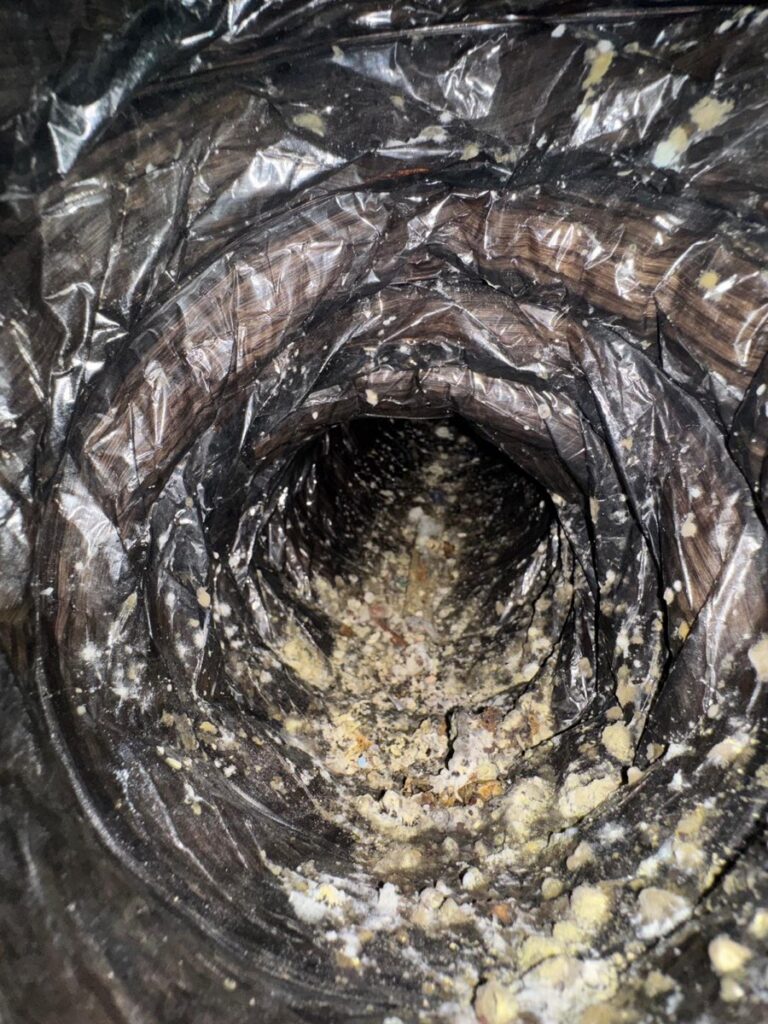
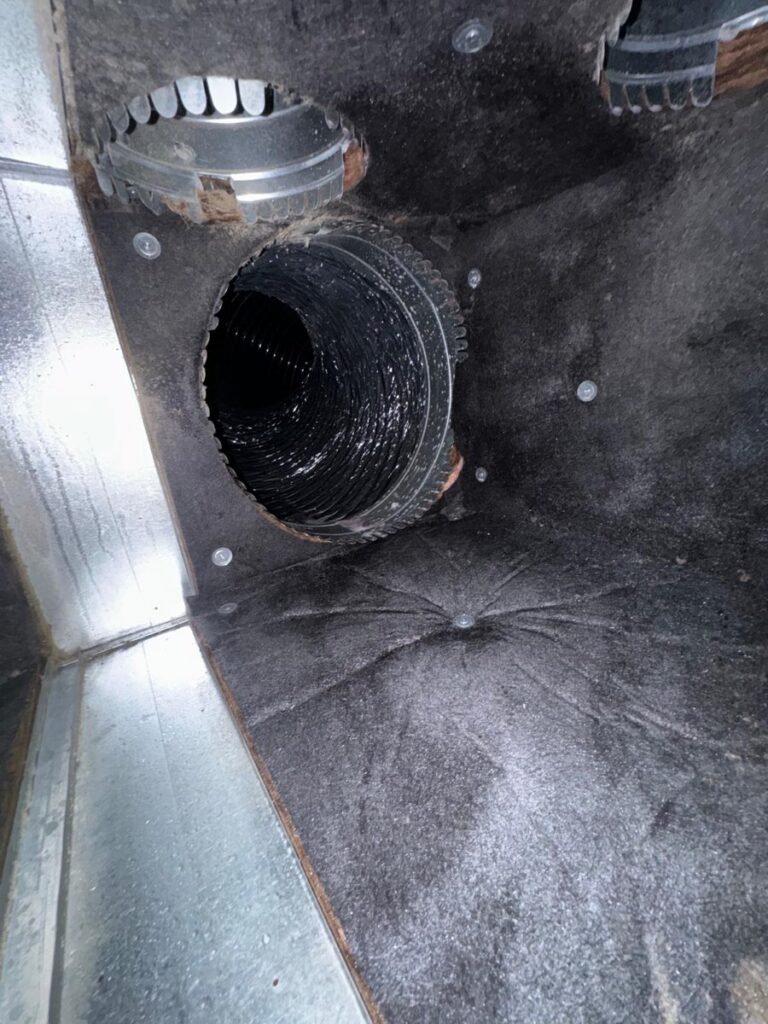
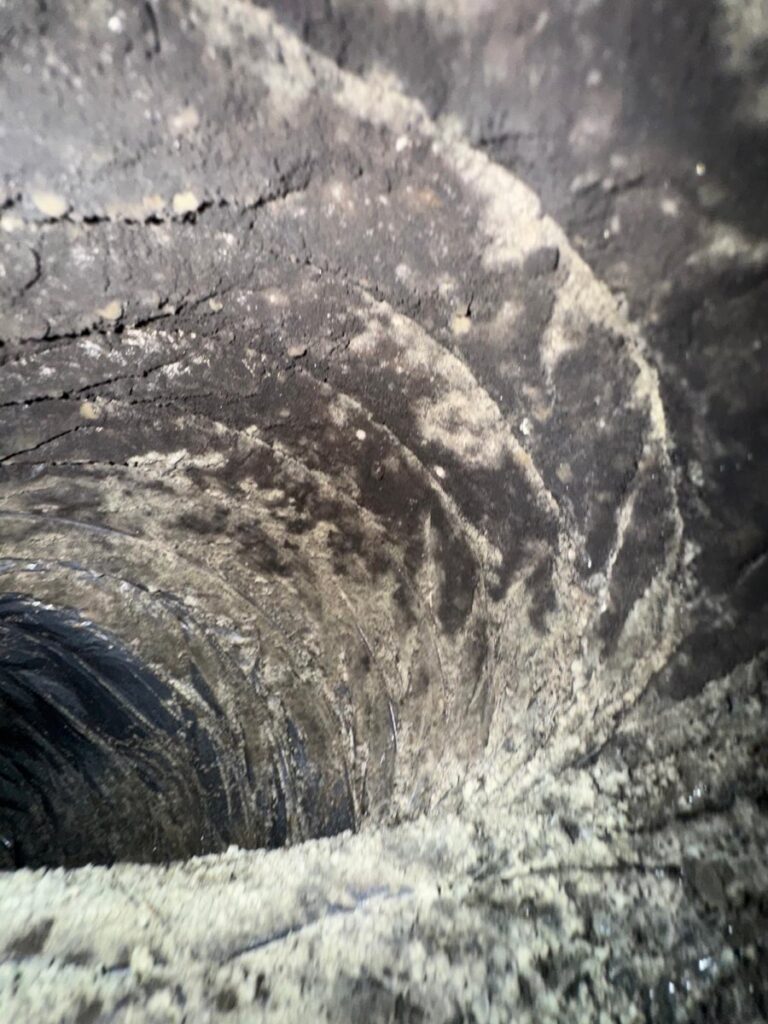
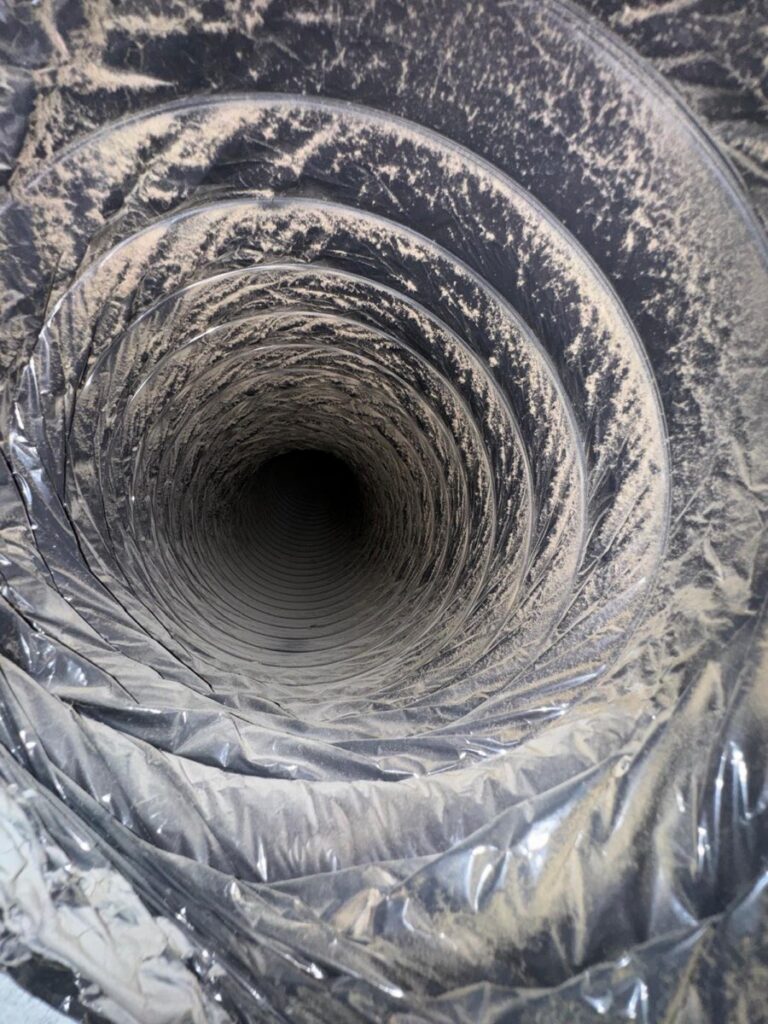
South Florida gives mold everything it needs to thrive: warmth, moisture, and a dark, undisturbed place to settle. Your air conditioning ducts check all three boxes. When humid air meets the cool metal and flex-duct inside a running system, condensation forms, and any dust already sitting in the ductwork becomes a food source. For most homes it never becomes a problem — but when conditions tip the wrong way, mold can take hold inside the very system that moves air into every room. Here is how it happens, what to watch for, and what actually helps.
Why mold takes hold in South Florida AC ducts
Mold needs moisture, and in a coastal climate moisture is never far away. Several things common to Florida homes push ductwork toward the damp end of the scale:
- High outdoor humidity. Even with the AC running, indoor humidity can climb during storm season, and damp air moving through cool ducts leaves condensation behind.
- An oversized air conditioner. A unit that is too large cools the house quickly but shuts off before it removes much moisture. The rooms feel cold and clammy, and the ducts stay damp.
- Leaks and water intrusion. A roof leak, a sweating duct in a hot attic, or an overflowing condensate drain pan can wet insulation and duct surfaces directly.
- Dust and debris. Mold does not grow on clean metal — it grows on the organic dust that collects inside neglected ducts. The more buildup, the more it has to feed on.
Put a cool surface, trapped moisture, and a layer of dust together in a dark duct, and you have built a small greenhouse for mold. That is why the problem shows up more often here than in drier parts of the country.
Warning signs to take seriously
You usually cannot see inside your ductwork, so mold tends to announce itself in other ways. No single sign proves you have a problem, but together they are worth investigating:
- A musty, earthy smell that gets stronger when the AC first kicks on and pushes air through the system.
- Allergy or respiratory symptoms indoors — congestion, coughing, itchy eyes, or flare-ups of asthma — that ease when you leave the house and return when you come home.
- Visible growth around the vents — dark speckling or fuzz on the register covers, on the ceiling near a supply vent, or at the air handler.
- Recent water damage from a storm, a leak, or a flooded drain pan that may have reached the ducts or the coil.
If any of this sounds familiar, our checklist on the signs your air ducts need cleaning walks through what to look and listen for before the issue spreads. Persistent symptoms are also a reason to talk with your doctor — only a lab test can identify what is actually present, and this article is not a substitute for medical or professional assessment.
What a professional cleaning and sanitizing does
When mold is tied to the ductwork, wiping down the vent covers is not enough — the source is deeper in the system. Professional air duct cleaning works from the inside out:
- An inspection of the supply and return ducts, the air handler, and the coil to find where moisture and buildup are worst.
- Agitation and vacuuming that pull dust, debris, and contaminated material out of the ducts under negative pressure, so it leaves the house instead of scattering into rooms.
- An EPA-registered antimicrobial applied to the duct surfaces to treat what remains and slow regrowth.
Honest expectations matter here. Cleaning and sanitizing greatly reduce the mold and the debris it feeds on, but no service can promise a duct system will stay mold-free forever if the underlying moisture problem is left in place. That is why a good crew looks for the cause — a leak, a drainage issue, an oversized system — and tells you what needs fixing. When the trouble points to broader air problems, a dedicated indoor air quality assessment digs into the source rather than just the symptom. Our Hollywood indoor air quality crew can carry out that kind of assessment across the surrounding area.
How to keep mold from coming back
Prevention is mostly about controlling moisture and keeping the system clean. A few habits do most of the work:
- Hold indoor humidity at 40-50%. A small hygrometer costs a few dollars and takes the guesswork out. Above roughly 60% you are inviting mold; this range keeps it in check while still feeling comfortable.
- Change your filter every 30 to 60 days. Because the AC runs nearly year-round here, filters load up fast, and a clean filter keeps dust — mold food — from building up in the ducts.
- Fix leaks and clear the condensate drain. Keep the drain line flowing, empty the pan, and address roof or attic leaks before they reach the ductwork.
- Right-size and service the AC. A correctly sized system dehumidifies as it cools, and an annual tune-up keeps the coil clean and the drainage working.
- Run exhaust fans in bathrooms, the kitchen, and the laundry room to vent moisture outside instead of letting it recirculate through the house.
None of this is exotic — it is the same routine that keeps a Florida home comfortable. Done consistently, it removes the conditions mold depends on, so the ducts stay clean far longer after a service. When the moisture problem runs deeper than housekeeping, our Fort Lauderdale indoor air quality team can pinpoint the underlying cause.
Concerned about mold in your ducts?
If you have noticed a musty smell, symptoms that follow you indoors, or growth around the vents, do not guess — have the system looked at. Call Nuvair at (786) 424-8181 for an upfront quote on duct cleaning and sanitizing in Hollywood and across South Florida, available 24/7. Homeowners around Miami can also schedule an indoor air quality assessment in Miami to get to the root of recurring mold.