“Duct cleaning” means very different things depending on who shows up at your door. Some companies do a thorough, documented job; others run a shop vac near a couple of vents and call it done. Knowing what a proper cleaning actually involves helps you set expectations, ask the right questions, and recognize whether the work you paid for was done right. Here is what a professional air duct cleaning looks like from start to finish in a South Florida home.
Step 1: A real inspection before anything is cleaned
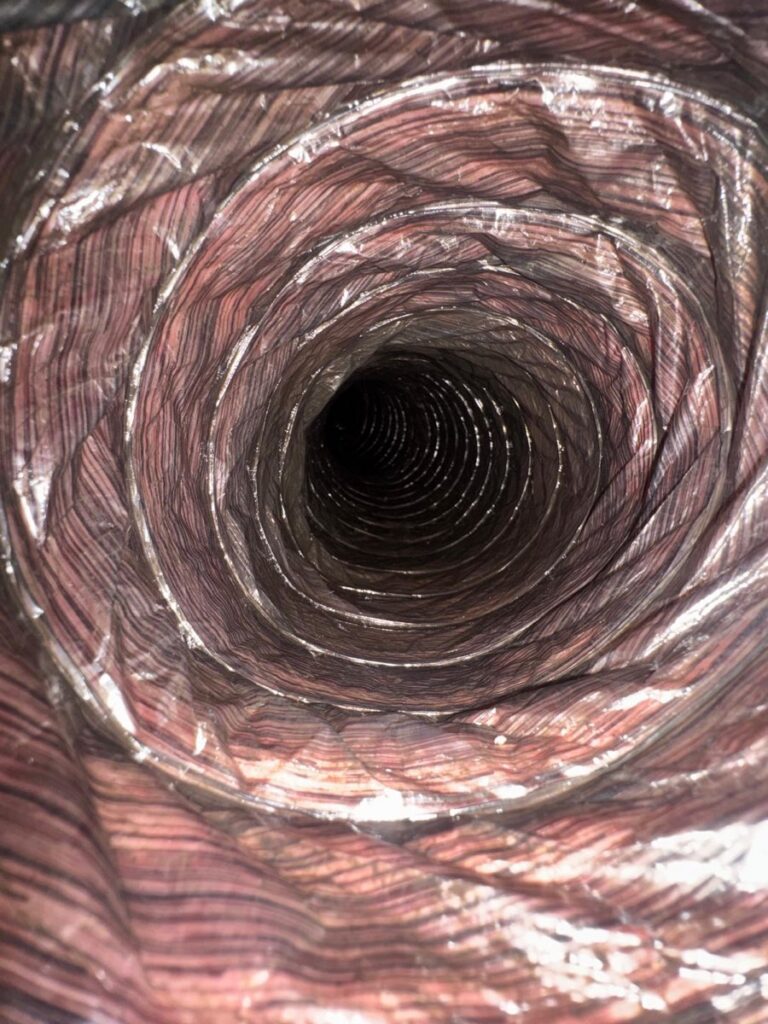
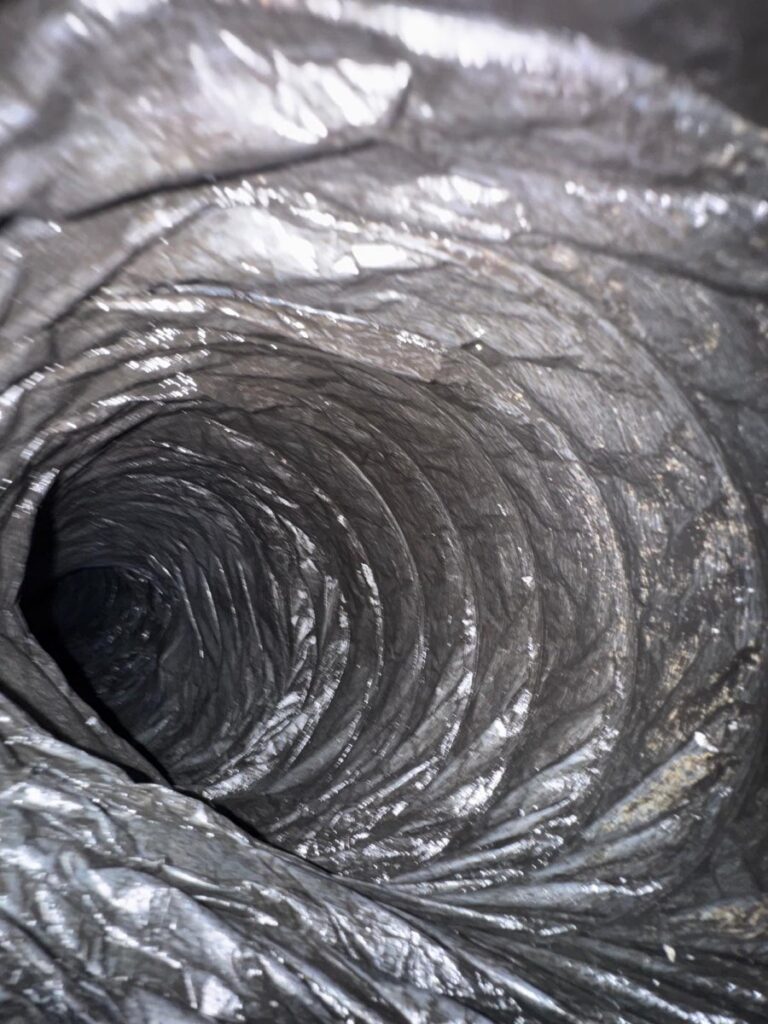
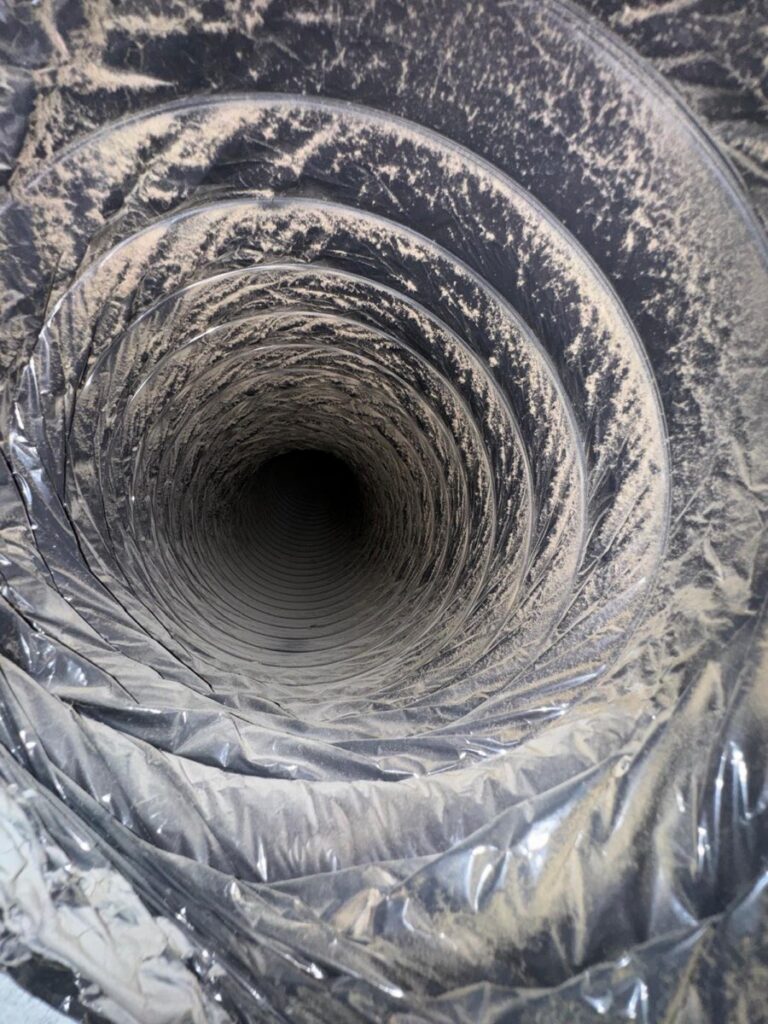
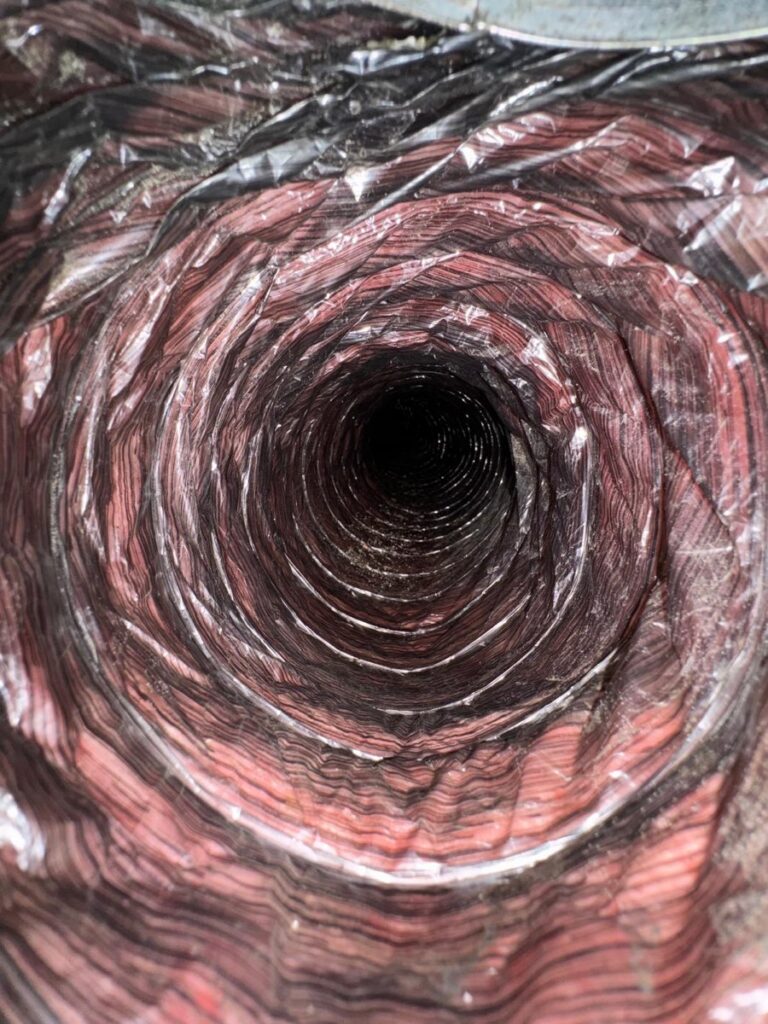
A good job starts with looking, not cleaning. The technician opens the air handler, pulls a few supply and return registers, and uses a light or camera to see the actual condition inside your ducts and around the cooling coil. This matters for two reasons. First, it confirms whether your system genuinely needs cleaning — not every home does, and an honest company will tell you so. Second, it documents your starting point. If a company will not show you what your ducts look like before they touch anything, that is a red flag. On our jobs we capture the before condition so you can compare it to the finished result, which is exactly the kind of buildup covered in our guide on the signs your air ducts need cleaning.
Step 2: Protecting your home (containment)
Before any dust gets disturbed, the crew protects your space. That means drop cloths on floors, covers over furniture near the work area, and register covers on the vents that are not being actively cleaned. On many South Florida jobs the technician also puts the duct system under negative pressure, so any debris that comes loose is pulled toward the vacuum instead of drifting into your living room. Containment is the quiet difference between a professional visit and a mess you spend the rest of the day cleaning up.
Step 3: Agitation — loosening what is stuck to the duct walls
Dust and debris do not just fall out of ducts on their own; years of it clings to the interior walls, especially in the humid coastal air that keeps particles sticky. So the debris has to be physically dislodged first. Depending on the duct type, technicians use compressed-air “skipper” or air-whip lines that snap loose the buildup, or rotary brushes for rigid metal ducts. This agitation step is the heart of a real air duct cleaning — it is what separates source removal from simply blowing air around and hoping.
Step 4: HEPA vacuum capture
Loosening the debris only helps if it is captured and hauled away rather than scattered through your home. That is the job of a powerful negative-air vacuum fitted with HEPA filtration. As the air whip or brush works each run, the vacuum pulls the dislodged dust, dander, and debris out of the system and traps it in a sealed collection unit. This is the single most important thing to get right: the goal is source removal, meaning the contaminants actually leave your house instead of resettling downstream. If a “cleaning” does not include real vacuum extraction, the dust you paid to remove is mostly still in your system. Before you book air duct cleaning in Miami, confirm the crew brings true HEPA extraction and not just a blower.
Step 5: Optional sanitizing and deodorizing
Once the ducts are physically clean, sanitizing is an optional add-on — not something every home needs. It makes the most sense in South Florida when there are lingering musty odors, evidence of microbial growth on a moisture-prone coil, or a household with allergy and asthma concerns. When it is warranted, we apply an EPA-registered antimicrobial product designed for HVAC surfaces. We will tell you honestly whether your system actually calls for it rather than upselling it by default; if odors and humidity are your real concern, our indoor air quality service digs into the underlying causes.
Step 6: Before-and-after verification
A professional job ends the way it began — with a look inside. The technician re-inspects the same runs and the coil, then walks you through before-and-after photos so you can see the difference for yourself. You should not have to take “all done” on faith. This verification step is where trust is either earned or lost, and it is the part budget operators skip. Ask to see it every time.
How to tell a real cleaning from a shortcut
If you are comparing companies, these are the details that separate a thorough job from a rushed one:
- They inspect first and show you the actual condition of your ducts before quoting the work.
- They protect your home with drop cloths, register covers, and negative pressure.
- They use real source removal — agitation plus HEPA vacuum extraction, not just a blower.
- They give an upfront price before starting, so there are no surprises at the end.
- They prove the result with before-and-after photos and a walkthrough.
- They are licensed and insured and can show proof on request.
A visit typically takes a few hours for an average home, longer for larger systems or multiple air handlers. Beware anyone promising a “whole house” clean in twenty minutes for a suspiciously low flat rate — that is almost always the shop-vac-near-a-vent version.
See the difference for yourself
We work this way on every job across South Florida, from single-family homes in Hollywood to condos up the coast, and we are happy to explain each step before we start. Whether you need air duct cleaning in Hollywood or Fort Lauderdale duct cleaning, the process is exactly the same. Call Nuvair at (786) 424-8181 to schedule your inspection and get an upfront quote — then let the before-and-after photos speak for themselves.