Why a clogged dryer vent is a real fire hazard
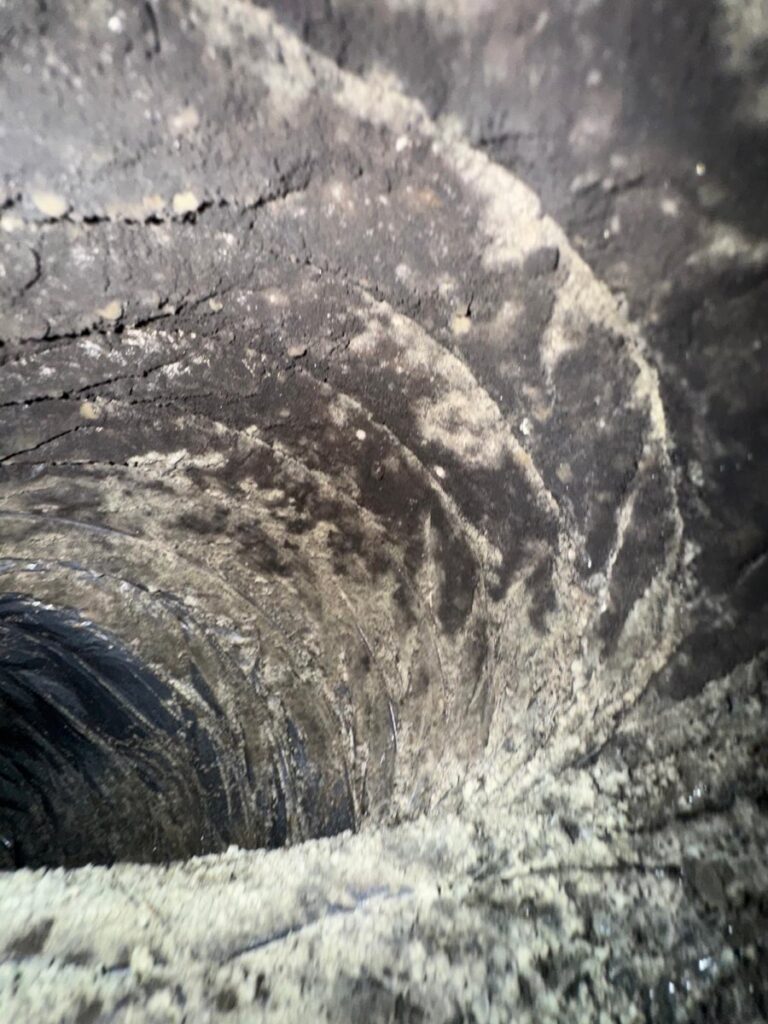
Every load of laundry sheds lint. Your dryer’s lint trap catches some of it, but a surprising amount slips past and settles inside the vent duct that carries hot, moist air from the back of your dryer to the outside of your home. Lint is essentially dry, shredded fabric — and it is highly flammable. As it builds up, it restricts airflow, traps heat, and creates the perfect fuel for a fire that can start right behind the appliance.
Fire-safety agencies consistently point to one leading cause of home clothes-dryer fires: failure to keep the dryer and its vent clean. When lint chokes the duct, the dryer runs hotter and longer than it was ever designed to, and that heat has nowhere to escape. Regular dryer vent cleaning removes the fuel before it becomes a problem — which is why we treat it as a safety service, not a luxury.
The lint trap only catches part of it
Cleaning the lint screen after every load is essential, but it is not the same as clearing the duct. Most of the dangerous buildup collects deep in the vent line and at the exterior hood — exactly where you cannot see or reach it with a hand. That hidden accumulation is what turns a routine appliance into a hazard over time.
Warning signs your dryer vent needs cleaning
A clogged vent rarely fails without warning. If you notice any of these signs, stop running heavy loads until the vent is checked:
- Clothes take two cycles to dry. If loads come out damp after a normal cycle, restricted airflow is the usual culprit.
- The dryer or laundry room feels hot. A dryer that is hot to the touch, or a laundry room that turns into a sauna, means heat is not venting out.
- A burning or scorched smell. A hot, singed odor while the dryer runs can mean lint is overheating. Never ignore it.
- Lint or debris around the outside vent hood. Visible lint at the exterior flap, or a flap that no longer opens fully, points to a blockage.
- Weak or no airflow outside. With the dryer running you should feel a strong, warm stream of air at the exterior vent. Weak airflow means it is trapped inside the duct.
- The auto-shutoff keeps tripping. Many newer dryers cut off when they overheat. Frequent shutoffs are a red flag, not a quirk.
Any one of these on its own is worth a look; two or more together means the vent should be cleared before the next load. Overheating is cumulative — the hotter the dryer runs, the faster the remaining lint dries out and the closer it gets to ignition. Acting early is far cheaper than replacing a scorched dryer or dealing with a fire.
Why South Florida homes are especially at risk
Our climate quietly works against your dryer. High humidity means clothes come out of the washer holding more moisture, so every cycle runs longer and the dryer pushes more warm, damp air — and more lint — through the vent. Year-round warmth also means laundry never slows down the way it does up north; there is no winter lull, so lint accumulates steadily all twelve months of the year.
Housing here adds another wrinkle. Many townhomes, condos, and two-story homes across Hollywood and nearby cities have long dryer duct runs — sometimes twenty feet or more, with several bends, traveling up through walls to a roof or side-wall vent. The longer and more twisted the run, the more places lint has to catch and pile up. Exterior vents in our area also attract nesting birds, lizards, and wasps that can block the flap entirely. The same challenge drives steady demand for dryer vent cleaning in Miami and Fort Lauderdale duct cleaning, where long condo and townhome runs trap the most lint.
Coastal salt air and fine construction dust settle into the mix too, binding with lint to form a denser clog than a few dryer sheets would suggest. If you have already scheduled air duct cleaning for your AC system, it is the natural moment to have the dryer line handled in the same visit — one appointment, two safety wins.
How often should you clean your dryer vent?
For most South Florida households, once a year is the right baseline. Clean it more often if any of the following apply to your home:
- A large family running the dryer most days of the week.
- Pets that shed — fur adds heavily to the lint load.
- A long or winding vent run, common in multi-story and condo layouts.
- You have already noticed one of the warning signs above.
Think of it the way you think of a smoke detector battery: a small, predictable bit of maintenance that quietly prevents a much bigger problem. A once-a-year clean keeps drying times short, lowers your energy bill, and takes a genuine fire risk out of the house.
What a professional dryer vent cleaning includes
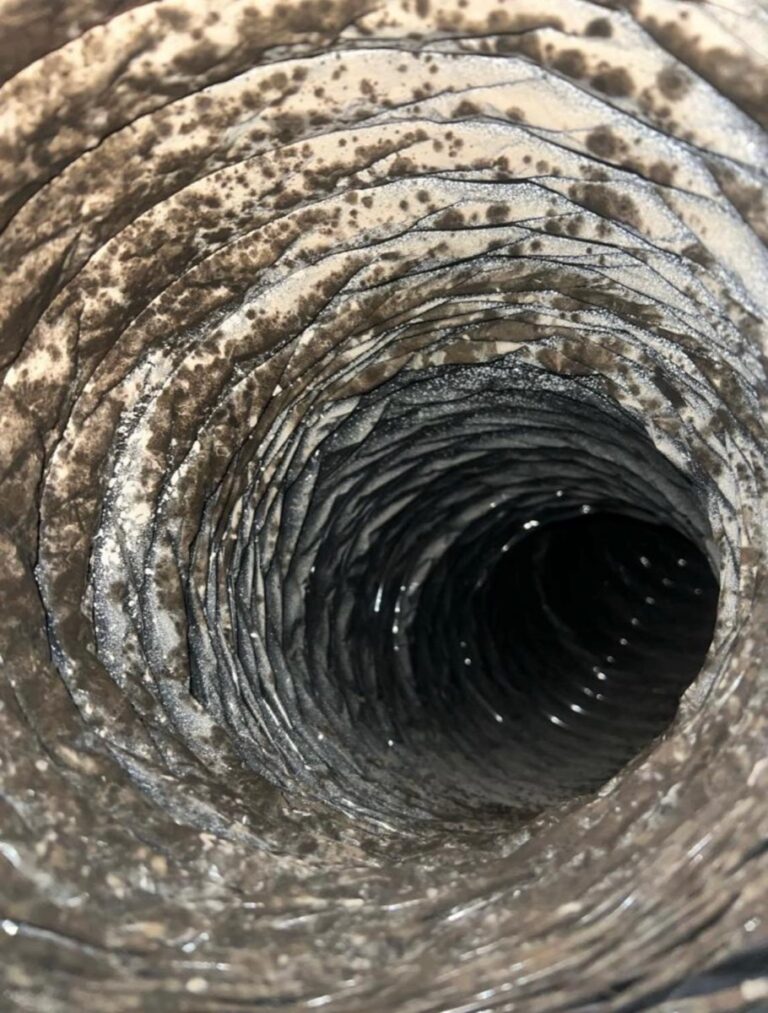
A proper cleaning goes well beyond a shop vacuum at the wall. Our technicians disconnect the dryer, run rotating brushes and compressed air through the full length of the duct, clear the exterior vent hood, and confirm strong airflow before reconnecting everything. We document what we pull out so you can see exactly what was clogging the line. If your dryer is showing any warning sign, call Nuvair at (786) 424-8181 for a fast, upfront-priced dryer vent cleaning anywhere in South Florida — we answer 24/7.
It is a small, quick job that removes a real hazard from your home. Since 2024 we have kept South Florida homes breathing cleaner and running safer, and a clear dryer vent is one of the easiest safety improvements you can book this month. If you are nearby, our Hollywood dryer vent cleaning team can clear your line in a single visit.